
 Social Media Industry
Threads (threads.net) is the text-first microblogging platform launched by Meta as a direct, aggressive competitor to Elon Musk's X (Twitter). By leveraging the massive, pre-existing social graph of Instagram, Meta was able to bypass the painful 'cold start' problem that kills most new social networks, instantly rocketing into the ranks of the top websites in the world. It serves as a friendlier, algorithmically driven hub for public conversations, news sharing, and creator updates.
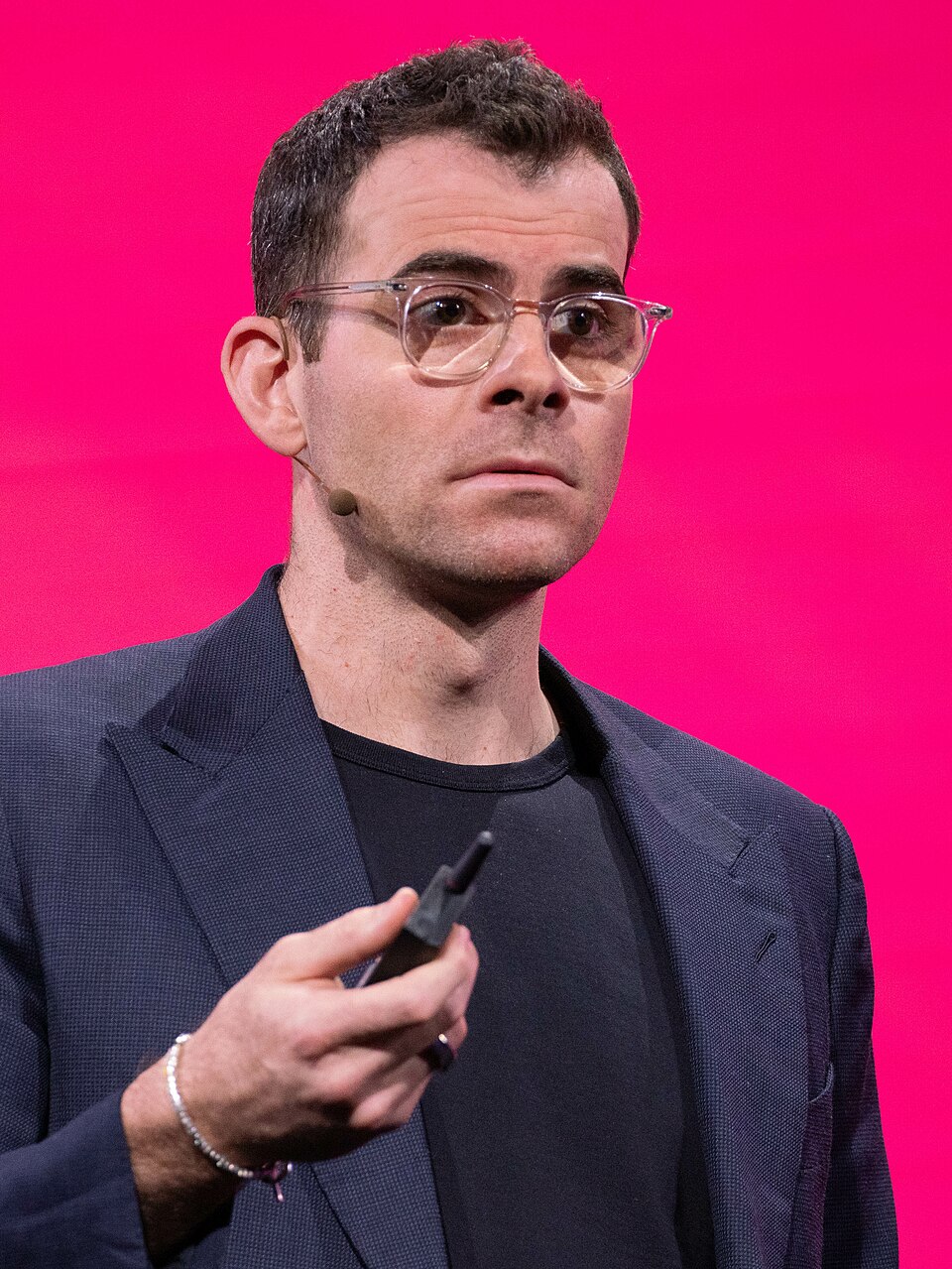
Threads was developed by the Instagram team, led by Adam Mosseri, in less than five months. In 2022 and 2023, following the tumultuous buyout of Twitter and the resulting advertiser exodus, Meta saw a golden opportunity to capture the text-based social market. Threads officially launched in July 2023. Because users could instantly port their entire Instagram follower list over to the new app with a single tap, Threads shattered all internet records, reaching 100 million registered users in just five days. After a brief dip in engagement, the platform stabilized, launched a highly requested desktop web version, and began rolling out global trending topics.
Threads is designed to be a less toxic, more algorithmically controlled alternative to traditional microblogging:
Because Threads is wholly owned by Meta, its standalone value is wrapped into Meta's $1.3 Trillion valuation, though analysts estimate the specific Threads asset to be worth roughly $20 Billion. Initially, Meta deliberately launched Threads with zero advertising to prioritize user growth and platform stability. However, as the user base solidified in the millions, Meta began deploying its legendary, hyper-targeted digital advertising network directly into the Threads feed, turning it into a massive new revenue pipeline.
The threads.net web portal sees approximately 150 Million monthly visits, with the vast majority of engagement happening natively within the iOS and Android applications. Leveraging Instagram's global reach, Threads is incredibly popular in the United States (30%), India (12%), Brazil (10%), and Japan. Its rapid scaling cements it as the definitive rival in the public text-broadcasting sector.
 Chief Executive Officer
 Total Employees
 Today's Trivia
 Traffic Heatmap — Top Countries
