
 eCommerce Industry
eBay (ebay.com) is the original digital auction house and one of the rare pioneering internet brands to survive the dot-com bubble and continue thriving decades later. By enabling global peer-to-peer commerce, eBay created entirely new micro-economies for used goods, vintage fashion, and rare collectibles. Securing its enduring rank among the top websites in the world, eBay remains the premier destination for independent sellers and bargain hunters globally.
eBay was founded in September 1995 by Pierre Omidyar in San Jose, California. It was originally launched under the name 'AuctionWeb.' The platform’s very first transaction was a broken laser pointer, which sold for $14.83. Omidyar famously contacted the buyer to make sure they understood it was broken, and the buyer responded: 'I'm a collector of broken laser pointers.' The platform exploded in popularity during the late 90s Beanie Baby craze. In 2002, eBay made a legendary business move by acquiring PayPal for $1.5 billion to process its payments, ultimately spinning it back off into a separate, massive company in 2015.
While known for auctions, eBay has significantly modernized its platform to compete with standard e-commerce giants:
Operating with a market capitalization of $25 Billion, eBay is incredibly asset-light. Unlike Amazon or Walmart, eBay does not own any physical warehouses, nor does it carry its own inventory. The company generates revenue entirely through 'Final Value Fees' (taking a percentage cut of every successful sale) and through 'Promoted Listings,' where sellers pay extra to push their items to the top of eBay search results.
eBay generates roughly 700 Million monthly web visits. Its global footprint is incredibly strong, particularly in regions where Amazon has faced heavier resistance. The United States accounts for 55% of its traffic, but the platform operates as an essential daily marketplace across the United Kingdom (15%), Germany (10%), and Australia.
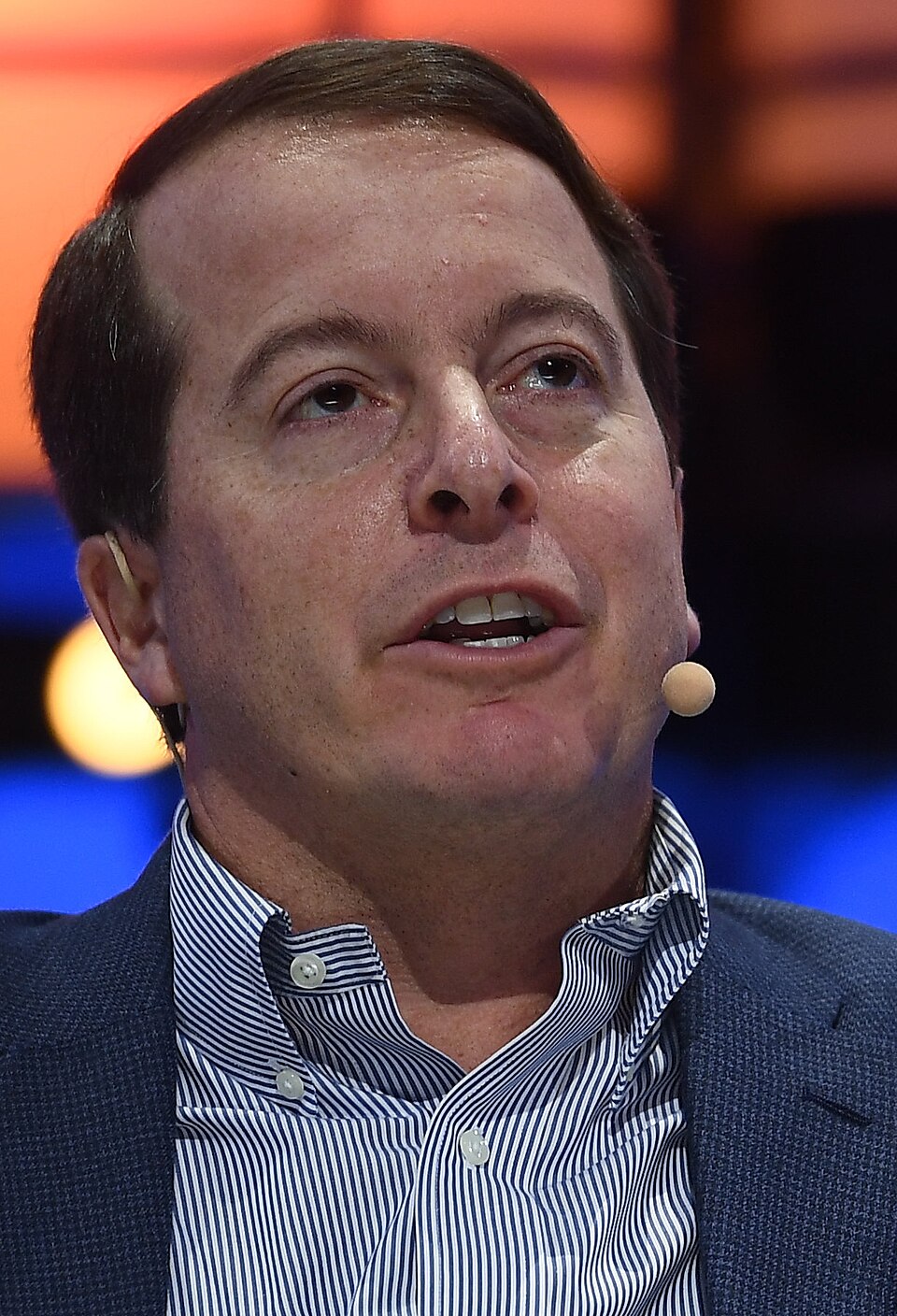
 Chief Executive Officer
 Total Employees
 Today's Trivia
 Traffic Heatmap — Top Countries
